Why I Swear by Qigong for Staying Healthy—No Gym, No Pills, Just Energy
For years, I struggled with low energy and constant colds—until I tried qigong. This ancient practice changed how I view health. It’s not about intense workouts or supplements. It’s about balance, breath, and body awareness. I was skeptical at first, but within weeks, my sleep improved, and I felt stronger. Now, I practice daily. In this article, I’ll share how qigong helps prevent illness naturally, why it works, and simple ways you can start—no experience needed.
The Wake-Up Call: When Modern Life Left Me Drained
Like many women in their thirties and beyond, I once believed that pushing through fatigue was a sign of strength. Juggling family responsibilities, household duties, and often a part-time job left little time for self-care. I relied on caffeine to get through mornings, over-the-counter medications to manage frequent headaches and colds, and occasional gym visits that never stuck. Despite eating what I thought was a balanced diet and trying various wellness trends, I still felt run down. My immune system seemed weak—I caught every seasonal bug that went around, and recovery took longer each time. Sleep was restless, and mornings brought stiffness and mental fog.
Doctors offered temporary fixes: antihistamines, pain relievers, and suggestions to “get more rest”—advice that felt impossible to follow. I tried intense workout routines, hoping to boost stamina, but they often left me more exhausted. The cycle continued for years, until a close friend noticed my constant fatigue and suggested I try qigong. She described it as a gentle daily practice that helped her manage stress and stay well during flu season. I was doubtful. How could slow movements and breathing make a difference when pills and exercise hadn’t? Yet, with nothing to lose, I decided to give it a three-week trial. That small decision marked the beginning of a lasting transformation in my health and well-being.
What Exactly Is Qigong? Breaking Down the Basics
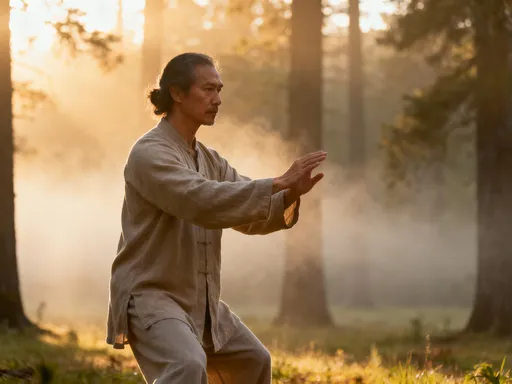
Qigong (pronounced “chee-gong”) is a centuries-old practice rooted in traditional Chinese medicine. At its core, it combines slow, intentional movements with deep breathing and mental focus to cultivate and balance the body’s vital energy, known as Qi (or “chi”). While the concept of energy may sound abstract, qigong is grounded in observable physiological effects. It’s not about supernatural forces, but about enhancing the body’s natural ability to regulate itself. Think of it as a form of internal hygiene—like brushing your teeth for your energy system.
The practice typically involves flowing postures, controlled breathwork, and a calm, focused mind. Movements are gentle and repetitive, designed to stimulate circulation, relax muscles, and quiet the nervous system. Unlike high-intensity exercise, qigong doesn’t aim to burn calories or build muscle. Instead, it supports the body’s restorative functions. Many compare it to tai chi, which evolved from qigong, or to yoga, which also links breath and movement. But while yoga often emphasizes flexibility and strength, qigong prioritizes energy flow and internal awareness. It’s accessible to nearly everyone, regardless of age, fitness level, or physical condition.
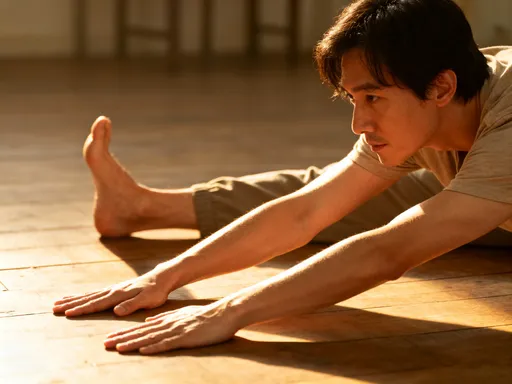
One of the most empowering aspects of qigong is that it doesn’t require special equipment, a large space, or even perfect health to begin. A quiet corner and ten minutes a day are enough. Over time, practitioners often report not just better physical health, but a deeper sense of calm and presence. This isn’t about replacing medical care, but about building a daily foundation for resilience—one breath and movement at a time.
Why Qigong Works: The Science Behind the Stillness
While qigong has ancient origins, modern science is increasingly validating its benefits. Research shows that regular practice can reduce markers of inflammation, improve immune function, and lower levels of cortisol, the body’s primary stress hormone. A 2013 review published in the Journal of Evidence-Based Complementary & Alternative Medicine analyzed multiple studies and found that qigong significantly reduced anxiety, fatigue, and blood pressure in participants. These changes are not due to mystical energy, but to measurable shifts in the body’s physiology.
One key mechanism is the activation of the parasympathetic nervous system—the “rest and digest” mode that counteracts the stress-driven “fight or flight” response. When we’re under chronic stress, our bodies remain in survival mode, which suppresses immune function and increases inflammation. Qigong’s slow, rhythmic movements and deep breathing signal safety to the brain, helping the body transition into a state of repair and renewal. This shift improves sleep quality, enhances digestion, and strengthens the body’s defenses against illness.
Additionally, the gentle motions of qigong promote better circulation, allowing oxygen and nutrients to reach tissues more efficiently. This supports cellular health and speeds up recovery processes. Unlike high-impact exercise, which can sometimes increase oxidative stress, qigong provides a low-stress way to keep the body moving and energized. The practice also improves proprioception—the body’s awareness of its position in space—which can reduce the risk of falls and improve balance, especially important as we age. The real power of qigong lies not in intensity, but in consistency. Daily practice, even in small doses, creates cumulative benefits that build over time.
How Qigong Helps Prevent Illness: From Immunity to Resilience
One of the most compelling reasons to practice qigong is its role in disease prevention. While it is not a cure for any specific condition, it strengthens the body’s natural defenses in ways that modern medicine is beginning to understand. Chronic stress is a known contributor to many health problems, including heart disease, digestive disorders, and weakened immunity. By reducing stress, qigong indirectly supports nearly every system in the body. Studies have shown that regular practitioners experience fewer upper respiratory infections and recover faster when they do get sick.
The practice also supports organ function. In traditional Chinese medicine, each movement is believed to stimulate specific energy pathways, or meridians, linked to organs like the lungs, kidneys, and liver. While Western science does not fully endorse the concept of meridians, it does recognize that movement and breath can improve blood flow to internal organs and enhance detoxification processes. For example, deep abdominal breathing massages the digestive tract and supports liver function, while gentle twisting motions can aid lymphatic drainage.
Many women over 40 notice improvements in digestion, hormonal balance, and sleep after starting qigong. These changes are not immediate, but they are sustainable. Over time, the body becomes more resilient—better able to handle daily stressors without breaking down. High blood pressure, a common concern for middle-aged women, has also been shown to improve with consistent practice. A 2015 study in the American Journal of Hypertension found that participants who practiced qigong for 12 weeks experienced significant reductions in both systolic and diastolic blood pressure. This preventive approach—supporting the body before problems arise—is what makes qigong a powerful tool for long-term wellness.
My Daily Routine: Simple Moves That Make a Difference
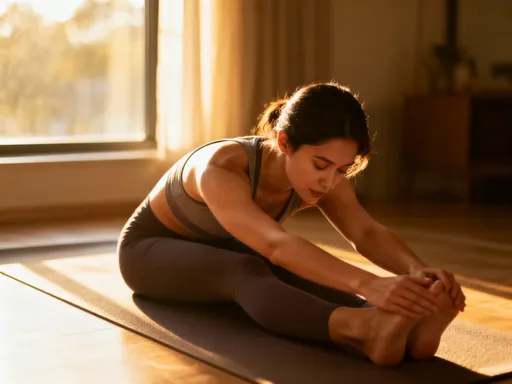
After years of trial and error, I’ve settled on a simple 10-minute morning routine that sets the tone for my day. I do it in comfortable clothes, barefoot on a yoga mat or carpet, usually before breakfast. The sequence includes three foundational qigong exercises: Lifting the Sky, Separating Heaven and Earth, and Bear Swings. Each movement is slow and deliberate, synchronized with my breath.
Lifting the Sky begins with hands at the sides. On an inhale, I slowly raise my arms in front of me, palms up, all the way overhead, as if lifting an invisible ball of energy. At the peak of the motion, I gently stretch upward, then on the exhale, I lower my hands back down, palms facing inward toward the body. This movement encourages deep breathing and opens the chest, improving lung capacity and circulation. I repeat it six times, focusing on the sensation of energy moving up and down the body.
Next is Separating Heaven and Earth. Standing with feet shoulder-width apart, I inhale as my left hand rises above my head, palm facing up, while my right hand lowers to my lower abdomen, palm down. On the exhale, I switch sides. This alternating motion creates a sense of balance and alignment, helping to center the mind and regulate internal energy flow. I perform six to eight cycles, keeping my movements smooth and my breath steady.
Finally, Bear Swings involve gentle rocking from side to side, knees slightly bent, arms hanging loosely. As I shift my weight, my arms swing naturally, like a bear ambling through the forest. This loosens the joints, releases tension in the shoulders and hips, and promotes relaxation. I do this for about a minute, letting go of any stiffness from sleep. Since adopting this routine, I’ve noticed fewer colds, improved digestion, and a greater sense of mental clarity. Even on busy mornings, I make time—because I’ve learned that these few minutes are an investment in my overall health.
Common Misconceptions and How to Stick With It
Despite its benefits, qigong is often misunderstood. Some dismiss it as too slow or uneventful, especially in a culture that values fast results and intense workouts. Others assume it’s only for older adults or those with limited mobility. Some even believe it requires spiritual beliefs or religious affiliation. None of these are true. Qigong is a practical, adaptable practice that anyone can benefit from, regardless of age, fitness level, or belief system.
The key to sticking with it is reframing expectations. Qigong is not about dramatic transformations or visible muscle gain. Its effects are subtle but profound—like noticing you’re less reactive to stress, or that you no longer reach for painkillers when a headache starts. To build consistency, I paired my practice with an existing habit: morning coffee. Now, I do my qigong routine first, then enjoy my coffee as a reward. This simple link made it easier to stay committed.
There are also helpful tools available. Free guided videos on reputable YouTube channels provide structure for beginners. Mobile apps with gentle timers and reminders can support daily practice. Some women in online wellness groups track their progress by journaling how they feel each week—more energy, better sleep, fewer aches. These small wins add up. Starting with just five minutes a day removes the pressure of perfection. The goal is not to master every movement, but to show up consistently. Over time, the body begins to crave the stillness and rhythm, making it easier to continue.
Making It Yours: How to Start Safely and Sustainably
Beginning a qigong practice is simple, but doing it safely and sustainably matters. For those new to the practice, I recommend starting with beginner-friendly resources. Reputable instructors on YouTube, such as those affiliated with wellness centers or certified qigong schools, offer free introductory sessions. Community centers and senior wellness programs often host low-cost or donation-based classes, providing a supportive environment to learn. Mobile apps like Insight Timer or Calm also include qigong and breathwork modules tailored for relaxation and energy flow.
Before starting, especially if you have chronic conditions like arthritis, heart disease, or balance issues, it’s wise to consult your healthcare provider. While qigong is generally safe, individual needs vary. The beauty of the practice is its adaptability—you can do it seated, standing, or even lying down if needed. Movements can be modified to accommodate joint pain or limited mobility, making it inclusive for all.
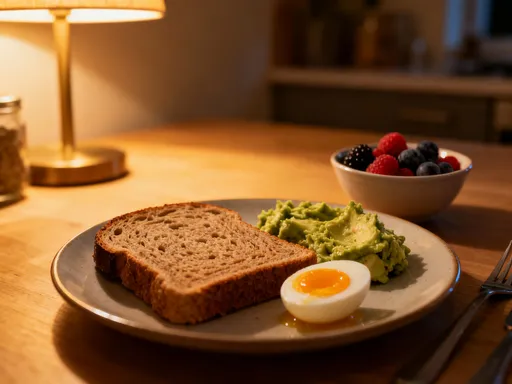
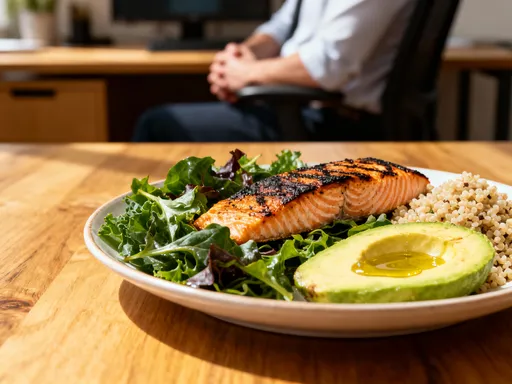
For best results, combine qigong with other healthy habits. Staying hydrated supports energy flow, while quality sleep enhances the body’s restorative processes. A balanced diet rich in whole grains, vegetables, and lean proteins complements the internal work qigong supports. Think of it as part of a holistic wellness routine—not a standalone fix, but a foundational practice that amplifies other healthy choices.
The most important step is simply to begin. You don’t need special clothes, equipment, or a large space. Just a few minutes a day, a quiet moment, and a willingness to listen to your body. Progress may feel slow at first, but the long-term benefits—greater energy, fewer illnesses, deeper calm—are well worth it. Over time, qigong becomes less of a routine and more of a way of being.
Qigong isn’t flashy, but its effects are real. By tuning into breath and movement, I’ve built a stronger defense against illness and found a deeper sense of calm. It’s not about perfection—it’s about presence. With just minutes a day, anyone can tap into this natural way of staying well. The body heals best when supported, not pushed. Qigong taught me that true health begins with listening.