Brick, Glass, and Glory: Manchester’s Architecture Will Steal Your Feed
Ever wandered a city where old industrial bones meet bold modern bones—and every corner screams post me? Manchester does that. It’s not just a music or football city; it’s a living gallery of architectural drama. From Victorian masterpieces to futuristic builds, the skyline tells stories worth capturing. I’ve walked every block, and trust me—your camera will thank you. This is a city shaped by steam and steel, reinvented by vision and grit, where every façade holds a chapter of history, innovation, and unexpected beauty. Whether you're drawn to ornate stone carvings or sleek glass towers, Manchester offers a visual feast that unfolds gradually, rewarding those who look closely.
The Industrial Heartbeat: Red Brick & Victorian Grandeur
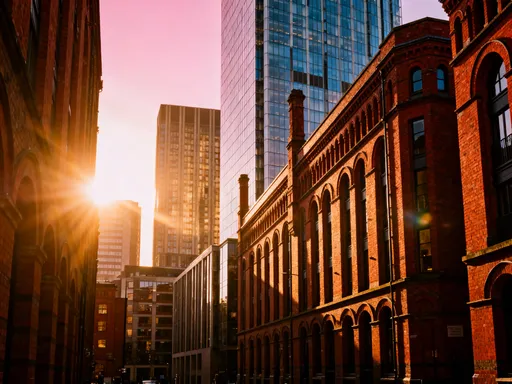
Manchester’s identity is inseparable from its 19th-century industrial rise, and nowhere is this more evident than in its enduring red-brick architecture. As the world’s first industrial city, Manchester built itself on cotton, commerce, and craftsmanship, leaving behind a legacy of robust warehouses, civic halls, and banking institutions that still define its urban fabric. These structures, constructed from locally sourced brick and adorned with intricate stonework, were more than functional—they were statements of prosperity, power, and pride. Walking through areas like King Street or Albert Square, one is immediately struck by the grandeur of buildings such as the Manchester Town Hall, a masterpiece of Victorian Gothic Revival design completed in 1877. Its clock tower rises like a sentinel, while the surrounding façade bursts with sculptural detail—gargoyles, coats of arms, and arched windows that speak to an era when public buildings were meant to inspire awe.
These buildings were not just administrative centers; they were symbols of civic ambition. The ornate stonework, often carved by hand, reflects a time when architecture served both utility and artistry. Warehouses along the Rochdale Canal in Castlefield, once bustling with bales of cotton, now stand as preserved relics of the city’s mercantile past. Their thick brick walls, timber beams, and cast-iron columns tell a story of endurance—many have survived fires, bombings, and decades of neglect. Today, they are celebrated not only for their historical significance but also for their aesthetic appeal. Photographers are drawn to the warm glow of red brick at sunrise, the contrast of shadow and texture in narrow alleyways, and the way ivy climbs ancient walls like nature reclaiming history.
What makes Manchester’s Victorian architecture particularly compelling is its accessibility. Unlike cities where historic buildings are sealed behind velvet ropes, here, the past is lived in. Cafés occupy former bank halls, boutique shops nestle into old warehouses, and guided tours invite visitors to step inside these grand spaces. This integration of history into daily life allows travelers to experience the city’s heritage not as a museum exhibit, but as a living, breathing presence. The craftsmanship on display—whether in a delicately carved corbel or a sweeping stone staircase—serves as a reminder of a time when construction was both an engineering feat and an artistic endeavor.
Gothic Dreams: The University & Neo-Gothic Statements
If Manchester’s industrial architecture speaks to commerce and civic pride, its neo-Gothic buildings whisper of scholarship, spirituality, and timeless beauty. Chief among them is the University of Manchester’s main building, a sprawling structure that rises like a cathedral of learning from the heart of Oxford Road. Designed by Alfred Waterhouse and completed in the late 19th century, its red-brick exterior is softened by sandstone detailing, pointed arches, and a central tower that commands the skyline. Inside, vaulted ceilings, stained-glass windows, and cloistered corridors create an atmosphere more monastic than academic, inviting quiet contemplation. This deliberate use of Gothic Revival style was no accident—it was meant to elevate education to the realm of the sacred, suggesting that knowledge itself is a form of enlightenment.
Equally breathtaking is the John Rylands Library, a gift from Enriqueta Rylands in memory of her husband. Opened in 1900, this building is a triumph of Gothic Revival architecture, with flying buttresses, pinnacles, and a façade so ornate it looks as if it were carved by angels. Stepping inside is like entering another world—light filters through stained glass depicting scholars and saints, illuminating rows of ancient books and intricately carved wooden panels. The Gothic Reading Room, with its high ceilings and gilded details, is a favorite among photographers and visitors alike, offering a sense of hushed reverence that few modern spaces can match. The library is not just a repository of texts; it is a monument to the enduring value of knowledge and the beauty of human expression.
These neo-Gothic landmarks are more than architectural curiosities—they are cultural anchors. They provide a visual and emotional counterpoint to the city’s industrial grit, reminding residents and visitors that Manchester has always valued intellect and artistry as much as industry. For the modern traveler, they offer some of the most atmospheric photo opportunities in the city. The interplay of light and shadow in the library’s cloisters, the dramatic silhouettes of spires against a stormy sky, or the reflection of Gothic arches in a rain-slicked pavement—each moment feels cinematic. These spaces encourage slow exploration, rewarding those who pause to look up, to notice the details etched into stone, and to appreciate the craftsmanship that time cannot diminish.
Art Deco Gems: Style Between the Wars
While Manchester’s Victorian and Gothic buildings dominate the skyline, a quieter but equally compelling architectural movement emerged between the World Wars: Art Deco. This style, characterized by sleek lines, geometric patterns, and a sense of forward-looking optimism, can be found in pockets across the city. One of the finest examples is the Midland Hotel, originally built for railway travelers and now a Grade II listed building. Its façade, though understated from the street, reveals elegant symmetry, fluted columns, and stylized floral motifs that speak to the glamour of early 20th-century travel. Inside, the original marble floors, bronze fixtures, and curved staircases transport guests to an era when train journeys were events in themselves.
Another standout is the former ABC Cinema on Oxford Road, a building that once pulsed with the excitement of movie premieres. Though no longer a cinema, its streamlined façade—with vertical fins, circular windows, and a stepped silhouette—remains a textbook example of Art Deco design. The style was about modernity, efficiency, and a break from the past, yet it retained a sense of elegance. Unlike the raw minimalism of later modernism, Art Deco embraced ornamentation, but in a disciplined, stylized way. This balance makes it particularly photogenic—clean enough for contemporary tastes, yet rich with visual interest.
These buildings often go unnoticed by casual visitors, overshadowed by the grandeur of older or taller structures. Yet, for those who seek them out, they offer a different kind of beauty—one rooted in rhythm, proportion, and subtle sophistication. Photographers appreciate the way sunlight catches the angles of a Deco façade, or how rain highlights the smooth curves of a lobby’s ceiling. More than just aesthetic appeal, these buildings represent a pivotal moment in Manchester’s evolution—a time when the city looked beyond its industrial roots and began to embrace a more cosmopolitan identity. Their preservation is a testament to the value of architectural diversity, proving that even the quieter chapters of a city’s story deserve to be seen and celebrated.
Post-War Reinvention: Brutalism & Bold Statements
The mid-20th century brought a dramatic shift in Manchester’s architectural language, as the city sought to rebuild and redefine itself after war and economic change. This era gave rise to Brutalism—a style defined by raw concrete, bold geometric forms, and an unapologetic sense of monumentality. While often polarizing, Brutalist architecture in Manchester has gained renewed appreciation in recent years, particularly among younger generations and design enthusiasts. One of the most iconic examples is the former CIS Tower, completed in 1962. Once the tallest building in the UK outside London, its stark, slab-like form and narrow vertical windows made it a symbol of modern ambition. Though initially criticized for its cold appearance, the tower has been reborn as the Kimpton Clocktower Hotel, blending historic preservation with contemporary luxury.
Another powerful example is the Manchester Civil Justice Centre, completed in 2008 but deeply influenced by Brutalist principles. Its sweeping concrete curves and elevated walkways create a sense of movement and drama, while its transparent ground floor invites public interaction. The building’s design reflects a desire to make justice visible and accessible, using architecture to convey openness and accountability. Though its scale and materiality can feel imposing, especially when contrasted with the delicate stonework of nearby Victorian buildings, it also represents a bold commitment to architectural experimentation.
Public perception of Brutalism has evolved significantly. Once dismissed as soulless or dystopian, these structures are now seen by many as honest, expressive, and full of character. Their textures—the imprints of wooden formwork in concrete, the play of light across deep recesses—offer rich material for photography. The contrast between old and new is particularly striking in areas like Spinningfields, where glass towers rise beside concrete giants, creating a dynamic dialogue between eras. For visitors, these buildings challenge preconceptions about beauty and invite a deeper engagement with the city’s more complex, less romanticized layers. They remind us that progress is not always graceful—but it can still be powerful.
Glass & Steel: The Modern Skyline Transformation
In the 21st century, Manchester’s skyline has undergone another transformation, this time defined by glass, steel, and vertical ambition. The most visible symbol of this shift is the Beetham Tower, a sleek, 47-storey skyscraper that pierces the northern sky. Completed in 2006, it was the first skyscraper in the UK outside London and remains one of the most photographed buildings in the city. Its reflective façade captures the ever-changing weather—clouds scudding across its surface, sunlight glinting off its crown, or the warm glow of city lights at night. The tower’s distinctive overhang near the top adds a touch of drama, making it instantly recognizable.
Even more transformative is the Deansgate Square development, a cluster of four residential towers that now dominate the southern approach to the city center. The tallest, at over 200 meters, is the tallest building in the UK outside London. These towers, with their shimmering glass exteriors and slender profiles, represent a new era of urban living—one focused on density, sustainability, and panoramic views. From their upper floors, residents can see across Greater Manchester, from the Pennines to the Cheshire Plain. For photographers, the towers offer endless compositional possibilities, especially at golden hour, when the low sun sets the glass ablaze with color.
Yet, this rapid vertical growth has not been without controversy. Some critics argue that these towers overshadow historic buildings, disrupt traditional sightlines, and prioritize private luxury over public benefit. Others welcome them as symbols of Manchester’s resurgence and global ambition. The debate reflects a broader tension between preservation and progress—a tension that defines many evolving cities. What is undeniable is that these modern structures have redefined Manchester’s identity, giving it a skyline that rivals any in Europe. They are not just homes or hotels; they are statements—about confidence, innovation, and the city’s refusal to stand still.
Adaptive Reuse: When Old Meets New (and Trendy)
One of Manchester’s most inspiring architectural trends is the adaptive reuse of historic buildings—transforming disused mills, warehouses, and public facilities into vibrant, modern spaces. This approach honors the past while embracing the future, creating environments that are both functional and deeply atmospheric. A prime example is the Oastler Building in Castlefield, a former textile mill that now houses a boutique hotel and restaurant. Original features like exposed brick walls, timber beams, and cast-iron columns have been preserved and celebrated, blending seamlessly with contemporary furnishings and lighting. The result is a space that feels warm, authentic, and full of character—ideal for both guests and Instagram feeds.
Another standout is Victoria Baths, a stunning Edwardian municipal swimming complex that closed in 1993 but has been meticulously restored as a community and events venue. With its tiled corridors, stained-glass windows, and ornate plasterwork, the building is a love letter to early 20th-century civic pride. Today, it hosts weddings, markets, and cultural events, allowing the public to reconnect with a space once reserved for hygiene and health. The contrast between its historical grandeur and modern use creates a powerful emotional resonance—this is not just preservation; it is resurrection.
Across the city, similar transformations are underway. Old railway arches now shelter craft breweries, canalside warehouses host art galleries, and former factories become co-working hubs. These projects do more than repurpose space—they revitalize neighborhoods, foster community, and create unique destinations that draw visitors. For the discerning traveler, they offer some of the most rewarding experiences: sipping coffee in a converted mill, attending a concert in a restored bathhouse, or browsing design shops in a 19th-century warehouse. Each space tells a story of reinvention, proving that old buildings can have new lives without losing their soul.
Hidden Facades & Local Favourites: Offbeat but Picture-Perfect
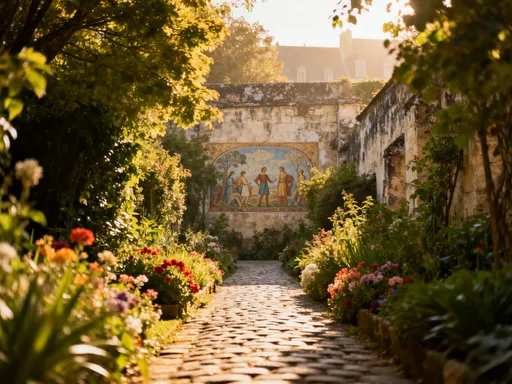
Beyond the famous landmarks and glossy towers, Manchester’s true architectural magic often lies in the unexpected—hidden courtyards, mosaic-covered alleyways, and quiet streets where beauty hides in plain sight. One such gem is the Northern Quarter, where Victorian warehouses have been reborn as independent boutiques, record shops, and street art canvases. Walk down Stevenson Square or Oldham Street, and you’ll find façades adorned with murals, vintage signage, and hand-painted tiles. These details, often overlooked, offer some of the most authentic and share-worthy moments in the city.
Another hidden treasure is the interior of the Central Library, a neoclassical masterpiece reopened in 2014 after a major restoration. Its circular reading room, bathed in natural light from a domed skylight, is a marvel of symmetry and serenity. The surrounding stacks, arranged in a perfect ring, create a sense of order and timelessness. Few visitors expect such grandeur in a public library, yet it stands as a testament to Manchester’s enduring belief in knowledge and accessibility.
Along the canals of Castlefield, restored warehouses reflect in still water, their brickwork softened by moss and morning mist. These quiet moments—unchanged by time, unspoiled by crowds—offer a different kind of beauty, one that rewards patience and curiosity. For photographers, they provide a chance to capture the city in its most reflective mood. The lesson is clear: while the grand landmarks draw the eye, it is often the side streets, the back alleys, and the forgotten corners that hold the most soul.
Manchester’s Architecture – A Story in Stone, Steel, and Light
Manchester’s skyline is not the product of a master plan, but of layered history—each era leaving its mark, each generation building upon the last. From red-brick warehouses to glass towers, from Gothic libraries to Brutalist courts, the city’s architecture tells a story of resilience, reinvention, and unyielding creativity. It is a city that does not erase its past but weaves it into the present, creating a visual narrative that is as complex as it is beautiful.
For travelers, this means more than just sightseeing—it means engaging with a living, evolving urban landscape. Every building, whether centuries old or freshly unveiled, invites closer inspection. The contrast between old and new, rough and refined, industrial and elegant, creates a dynamic tension that fuels both reflection and inspiration. Manchester does not offer a curated postcard image; it offers authenticity—the beauty of a city that has worked, struggled, and risen again, with every brick and beam bearing witness.
So pick up your camera, lace your shoes, and wander. Look beyond the obvious. Let your eye be drawn to the carved gargoyle, the sunlit atrium, the rain-slicked cobblestone reflecting a neon sign. In Manchester, architecture is not just background—it is the heart of the story. And every frame you capture is a tribute to a city that refuses to be defined by a single era, a single style, or a single moment in time.