You Won’t Believe What I Found in Varna’s Hidden Art Scene
Varna, Bulgaria, isn’t just about sun and sea—its art pulse is unreal. I went expecting beaches, but stayed for street murals, local studios, and open-air galleries that blew my mind. This coastal gem hides a creative soul most travelers miss. If you think art only lives in museums, think again—Varna’s scene is alive, raw, and totally immersive. Let me take you where the brushes never stop moving.
Arrival in Varna: First Impressions Beyond the Beach
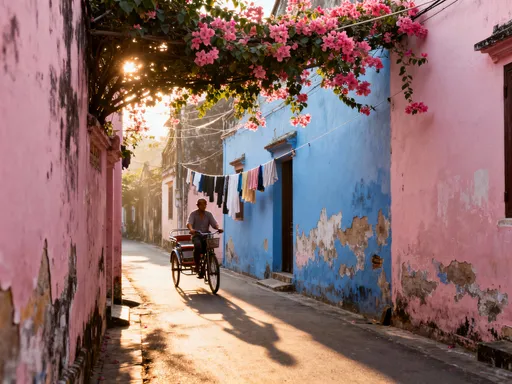
When most travelers picture Varna, they imagine golden sands along the Black Sea, families building sandcastles, and the soft hum of summer waves. That’s what brought me here too—rest, relaxation, and a break from routine. But within hours of arriving, I noticed something unexpected: the city breathed creativity. It wasn’t in brochures or on postcards, but in the details. A café with hand-painted tiles depicting seagulls in flight. A park bench shaped like a wave, carved by a local artisan. Even the tram stops featured colorful mosaics, each one a tiny tribute to the sea and sky.
What struck me most was how seamlessly art wove into daily life. There was no separation between the functional and the beautiful. This wasn’t a city that reserved art for special occasions or elite galleries. Instead, it celebrated expression in ordinary moments. I began to realize that Varna’s identity wasn’t just shaped by its port history or seaside location—it was also defined by a quiet, persistent creativity that had grown over decades. The maritime past, with its shipbuilders and sailors, had evolved into a modern culture of makers, dreamers, and storytellers.
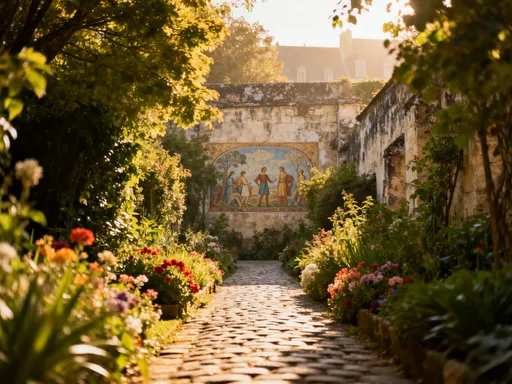
Walking through the city center, I saw how old buildings were being gently restored, their facades adorned with subtle frescoes or ironwork inspired by nautical themes. Even street signs carried a sense of design, as if someone had taken extra care to make them pleasing to the eye. It wasn’t flashy or overwhelming—it was thoughtful. This attention to aesthetic detail suggested a community that valued beauty not as a luxury, but as a necessity. As a traveler, it made me slow down, look closer, and appreciate the rhythm of a place that didn’t need to shout to be seen.
Street Art as a Storyteller: Murals That Speak Varna’s Truth
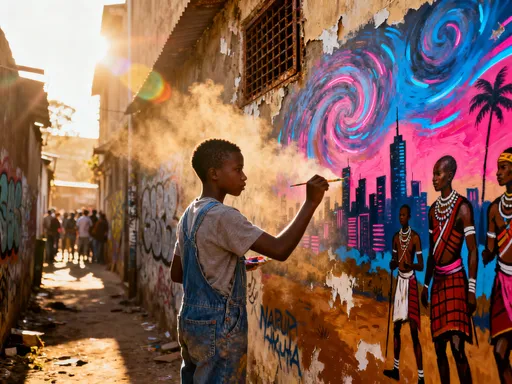
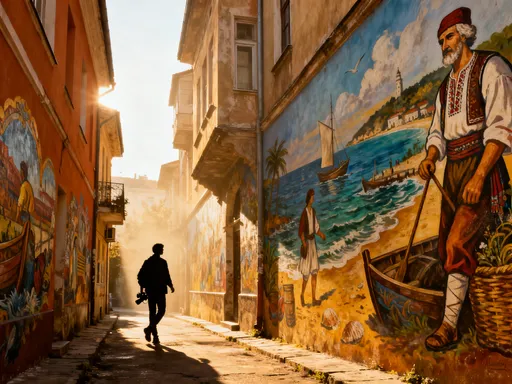
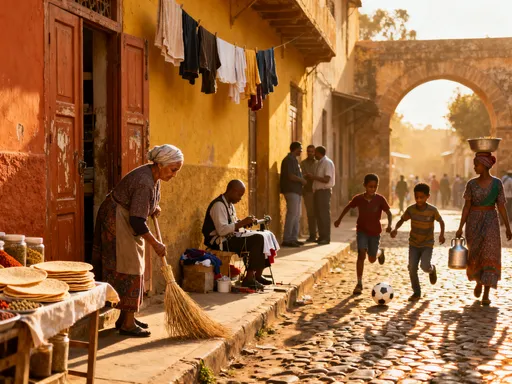
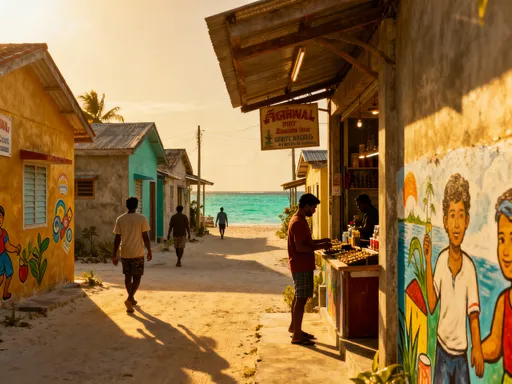
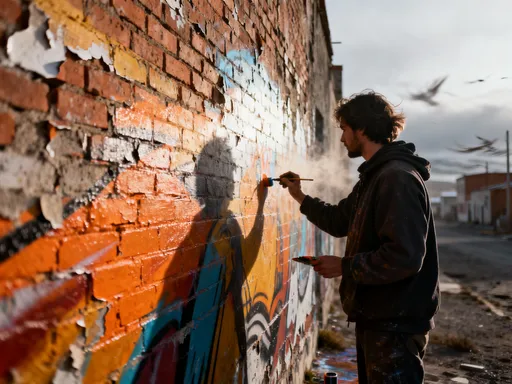
One of the most surprising discoveries in Varna was the depth and maturity of its street art. Unlike some cities where graffiti feels random or rebellious, here it felt intentional—like an ongoing conversation between artists and the community. I spent an afternoon wandering through neighborhoods like Mladost and Asparuhovo, where entire alleyways had been transformed into open-air galleries. These weren’t just tags or spray-painted slogans; they were large-scale murals with vivid colors, intricate details, and clear narratives.
One mural showed a young girl releasing a paper boat into a painted river that flowed across the wall, symbolizing hope and new beginnings. Another depicted a fisherman’s hands cradling a seashell, with light radiating from within—perhaps a metaphor for the quiet wisdom of those who live by the sea. What stood out was the absence of anger or protest. Instead, the art focused on identity, nature, and the rhythms of coastal life. Themes of renewal, connection, and memory ran through many pieces, offering a poetic reflection on what it means to belong to a place like Varna.
Local artists often used walls to celebrate Bulgarian heritage without falling into cliché. Traditional embroidery patterns appeared in abstract forms, woven into the wings of mythical birds. Folk music notes danced across bricks, forming invisible melodies. Even the colors felt rooted in the landscape—deep blues like the Black Sea at dusk, warm ochres echoing sunlit stone, and soft greens mirroring the nearby forests of the St. Constantine and Helena resort area. These murals didn’t just decorate; they reminded residents and visitors alike of the stories embedded in the soil and sea.
What made this street art scene even more meaningful was its accessibility. There were no fences, no guards, no entry fees. Anyone could walk down an unassuming alley and stumble upon a masterpiece. And because the art was public, it invited engagement. I watched children point at painted dolphins, couples take photos beneath floral arches, and elders pause to study familiar scenes from decades past. In this way, the murals became shared memories—living parts of the city’s emotional landscape.
Inside the Artist’s World: Visiting Local Studios and Workshops
Curious to understand the forces behind this creative energy, I sought out local studios tucked away in quiet corners of the city. In the Proletarianska district, I found a cluster of converted warehouses now used as artist spaces. One belonged to Elena, a painter in her early forties who welcomed me with tea and a warm smile. Her studio was filled with canvases—some nearly finished, others just beginning. She worked in layers, using both oil and mixed media to capture the textures of Varna’s changing seasons.
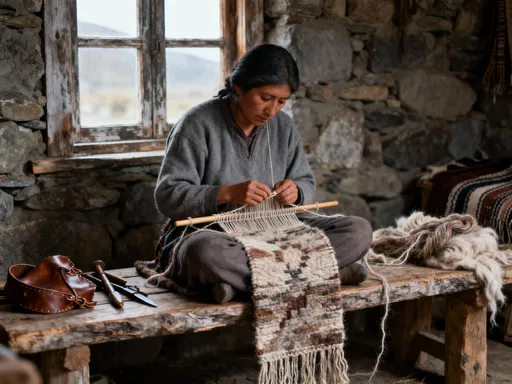
What fascinated me was how she blended traditional techniques with modern expression. She told me she studied classical Bulgarian art but felt drawn to abstract forms that could convey emotion more freely. “I don’t paint what I see,” she said. “I paint what I feel when I walk by the sea at dawn.” Her process involved collecting natural materials—driftwood, sea glass, dried seaweed—and sometimes embedding them into her work. This fusion of nature and craft gave her paintings a tactile quality, as if the sea itself had left its mark on the canvas.
Not all artists worked in isolation. Several studios offered hands-on workshops for visitors. I joined a ceramics class led by a sculptor named Georgi, who had spent years mastering the art of functional pottery. Using locally sourced clay, we shaped bowls and vases on spinning wheels, then painted them with mineral glazes that would turn brilliant blues and greens in the kiln. The atmosphere was relaxed and encouraging, with music playing softly in the background. It wasn’t about perfection—it was about presence, about feeling the earth in your hands and letting creativity flow.
These experiences revealed a side of Varna that guidebooks rarely mention: a community of artists who are not only creating but also teaching, sharing, and inviting others in. For travelers, this openness is a gift. Whether you’re a seasoned painter or someone who hasn’t touched a brush since childhood, there’s space to participate. And in doing so, you don’t just observe the culture—you become part of it, even if just for an afternoon.
Open-Air Creativity: Art Festivals and Seasonal Events
Varna’s creative spirit truly comes alive during its seasonal festivals, when the city transforms into a stage for multidisciplinary art. The most renowned is the Varna Summer International Arts Festival, a month-long celebration that draws performers and audiences from across Europe. Held in open-air venues like the Ancient Roman Theatre and the Sea Garden, it blends classical music, dance, theater, and visual art into a rich cultural tapestry.
I attended a performance where a string quartet played beneath a canopy of hanging lanterns, while projections of swirling waves danced across the surrounding walls. Nearby, an interactive light installation responded to audience movement, turning the entire space into a living canvas. Children ran through beams of color, laughing as their shadows triggered bursts of sound and light. It was joyful, immersive, and deeply communal—a reminder that art is not just something to be watched, but something to be felt and shared.
Beyond the formal festival, smaller events pop up throughout the summer. Pop-up galleries appear in vacant storefronts. Local musicians perform impromptu concerts in courtyards. Street artists collaborate on live painting sessions, turning blank walls into evolving masterpieces over the course of a weekend. These spontaneous happenings give the city a sense of constant renewal, as if creativity were a natural force as reliable as the tides.
One evening, I stumbled upon an outdoor exhibition called “Voices of the Coast,” where sculptors had installed life-sized figures made of recycled metal along the promenade. Each figure carried an object—a compass, a book, a fishing net—symbolizing different aspects of Varna’s history. At night, soft lighting illuminated them, casting long shadows on the pavement. People walked slowly, reading the accompanying plaques, taking photos, or simply standing in quiet reflection. It was a powerful example of how public art can create moments of pause in an otherwise busy world.
Galleries Off the Beaten Path: Where Locals Go for Inspiration
While Varna has several well-known museums, the real treasures lie in its smaller, independent galleries—places that don’t appear on tourist maps but are cherished by residents. One such space is Gallery 101, located in a quiet residential area near the Botanical Garden. The gallery occupies a restored 19th-century house, its white walls and wooden floors providing a serene backdrop for contemporary Bulgarian art.
During my visit, the exhibition featured works by emerging artists under the age of 35. One series used old fishing nets and rope to create textured wall hangings, evoking both the sea and the passage of time. Another artist explored identity through portraits layered with translucent fabric, suggesting the complexity of memory and self. What impressed me most was the curatorial care—each piece was thoughtfully placed, with just enough space to breathe. There were no crowds, no audio guides, no pressure to move quickly. Just silence, light, and art.
Gallery 101, like others I visited, operated on a donation-based entry system. This model made art accessible to everyone, reinforcing the idea that culture should not be gatekept. I spoke with the gallery manager, who told me that their goal was to support local talent and create a space for dialogue. “We’re not trying to compete with big museums,” she said. “We want to be a place where people feel comfortable, where they can ask questions, even if they don’t know much about art.”
Other hidden gems include a photography studio in the city center that doubles as a community darkroom, and a cooperative gallery in the Studentski district run entirely by art students. These spaces thrive on intimacy and authenticity. They don’t aim for grandeur—they aim for connection. For travelers willing to step off the main streets, they offer a rare glimpse into the heart of Varna’s creative community.
Art Meets Nature: Creative Spaces Along the Coast
Varna’s relationship with the sea shapes not only its economy and climate but also its artistic expression. Along the waterfront, art and nature intertwine in unexpected ways. The Sea Garden, a sprawling park stretching along the coast, is more than just a place for strolls and picnics—it’s an open-air museum. Sculptures dot the pathways: a bronze dolphin leaping from a fountain, a stone figure reading a book beneath a tree, a mosaic bench shaped like a wave.
These installations don’t feel imposed on the landscape; they feel like natural extensions of it. The light here is unique—bright in summer, golden in autumn, soft and diffused in winter—casting ever-changing shadows that artists clearly consider in their work. I met a landscape painter who told me she returns to the same spot every morning to capture how the light shifts across the water. “The sea is never the same twice,” she said. “Neither is my painting.”
Further north, near the Palace of Culture and Sports, a sculpture park features abstract metal works that seem to grow out of the ground like ancient ruins. Some resemble sails, others sea creatures, all shaped to interact with wind and light. On windy days, kinetic sculptures spin and chime, adding sound to the visual experience. It’s a place where art doesn’t just sit—it moves, breathes, and responds to its environment.
Even the beaches host creative moments. In summer, sand artists build intricate sculptures—castles, animals, even replicas of historic buildings—that last only until the tide comes in. These temporary works embody a kind of poetic impermanence, reminding us that beauty doesn’t have to be permanent to be meaningful. For families, couples, and solo travelers alike, these seaside creations add wonder to an already scenic landscape.
Bringing It Home: How Art Transformed My Travel Experience
Looking back, my trip to Varna was transformed by the art I encountered. What began as a simple beach getaway became a journey of discovery—one that deepened my connection to the place and its people. Engaging with creativity, whether through a mural, a workshop, or a quiet gallery, allowed me to see Varna not just as a destination, but as a living, breathing community with stories to tell.
Art became my guide. It led me to neighborhoods I wouldn’t have explored, introduced me to people I wouldn’t have met, and helped me understand the soul of the city in a way no tour guide ever could. It reminded me that travel is not just about seeing landmarks, but about feeling a place—its rhythms, its values, its quiet moments of beauty.
For women in their thirties to fifties, many of whom travel to recharge, reconnect, or rediscover themselves, Varna offers something rare: a space where creativity feels nurturing rather than overwhelming. It’s not about prestige or spectacle. It’s about authenticity, accessibility, and the simple joy of making or witnessing something beautiful. Whether you’re painting with clay, walking beneath a mural, or sitting quietly in a sunlit gallery, the experience feels personal and meaningful.
More than that, Varna taught me to look beyond the obvious. So many travelers stick to well-trodden paths, guided by algorithms and top-ten lists. But the richest experiences often lie just out of sight—in alleys, in studios, in conversations with artists who pour their hearts into their work. By choosing to explore Varna’s hidden art scene, I didn’t just see a new city. I saw a new way of traveling—one that values curiosity, presence, and connection above all.
Varna isn’t just a beach town—it’s a living studio where every alley, square, and shoreline whispers stories through color and form. By choosing to explore its art, I didn’t just visit—I connected. For anyone seeking more than sun and sand, Varna offers a canvas waiting to be seen. Let curiosity be your compass.