You Gotta Taste This: Taupo’s Food Scene Hidden in Plain Sight
Nestled on the edge of New Zealand’s largest lake, Taupo is more than just a stopover for adventure seekers. I went for the views but stayed for the food—honest, flavorful, and deeply tied to Māori culture. From steaming hāngi feasts to cozy lakeside cafes, the real magic happens where culture and cuisine meet. This is not just eating—it’s experiencing. What unfolds in Taupo is a quiet revelation: food here is not merely sustenance, but a language of belonging, a bridge between past and present, and a gesture of welcome. The journey begins not with a reservation, but with an open heart and a willingness to listen as much as to taste.
Arrival in Taupo: First Impressions Beyond the Bungee
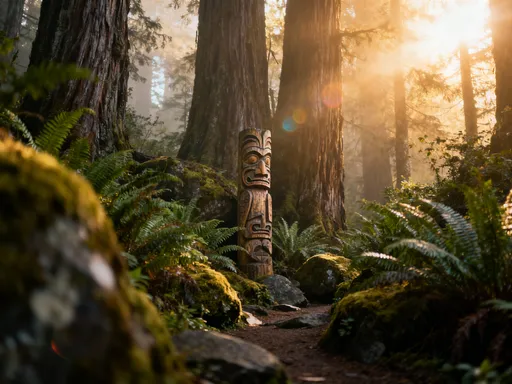
Taupo greets visitors with the crisp scent of pine and the shimmer of sunlight on Lake Taupo, a vast freshwater expanse born from ancient volcanic fury. Most travelers arrive with adrenaline in mind—drawn to the world-famous bungee jump at the town’s edge, where thrill-seekers leap into the churning waters of the Waikato River. But just a short walk from the tourist bustle, another rhythm pulses beneath the surface. I chose to follow a different path, one guided not by signs or maps, but by the rich, earthy aroma of wood smoke and simmering herbs drifting through the morning air. It led me away from the main drag, past quiet side streets and native flax bushes, to a modest marae nestled among the trees.
The marae, a traditional Māori meeting ground, was alive with quiet preparation. Elders arranged woven mats, children helped set bowls of kūmara and freshwater fish, and a low chant—karakia—rose with the morning mist. I was invited not as a spectator, but as a guest. The shared meal that followed was not served on plates, but on hearts: a communal experience rooted in whanaungatanga, the deep Māori value of kinship and connection. This was not a staged performance for visitors. It was real life—rooted, reverent, and refreshingly unpolished. In that moment, I realized my trip had shifted. I had come to see Taupo, but I was beginning to feel it. Food, I learned quickly, is the first language of welcome here.
The contrast between the bungee jump and the marae could not have been starker—one a fleeting burst of fear and freedom, the other a slow, grounding act of community. And yet, both are essential to understanding Taupo. The town thrives on duality: adventure and stillness, modernity and tradition, spectacle and subtlety. But only one invites you in. Only one asks you to sit, to listen, to share. That morning meal taught me that in Taupo, food is never just about filling the stomach. It is about filling a space—between people, between generations, between cultures. It is about presence.
The Heart of the Feast: Understanding Hāngi and Its Cultural Significance
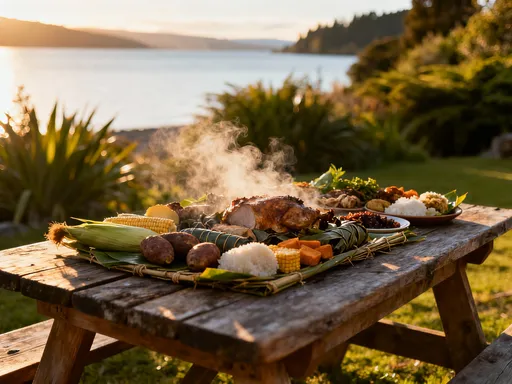
At the core of Māori culinary tradition lies the hāngi, a method of cooking that is as much ceremony as it is cuisine. To witness a hāngi is to witness time itself being honored. The process begins hours before the feast, sometimes even the day before. A pit is dug into the earth, lined with smooth river stones, and heated by a fire that burns for hours until the rocks glow with stored energy. Once the flames die down, the hot stones are carefully arranged, and baskets of food—whole chickens, succulent lamb, pork belly, kūmara, pumpkin, and stuffing made with native herbs—are placed on top. The entire pit is then covered with wet sacks, mats, and soil, sealing in the heat and steam. For the next three to four hours, the food slow-cooks in the earth, absorbing not just flavor, but history.
What makes the hāngi extraordinary is not just the result—though the smoky, tender meat and sweet, earthy vegetables are unforgettable—but the communal effort behind it. This is not a meal prepared by a single chef in a kitchen. It is a collective act. Families gather to tend the fire, to sing waiata (songs), to share stories, and to remember ancestors who once did the same. Every step carries meaning. The placement of the stones, the layering of the food, the timing of the uncovering—all are guided by generations of knowledge passed down through oral tradition. When elders speak of the hāngi, they do not call it cooking. They call it giving.
I had the privilege of joining a cultural evening hosted by a local iwi, or tribal group, where a hāngi was prepared for a small group of visitors. The elders explained that each ingredient holds symbolic value. Kūmara, the sweet potato introduced by Polynesian ancestors, represents prosperity and continuity. Puha, a leafy green similar to sow thistle, speaks of resilience—it grows wild, thrives in poor soil, and has nourished Māori through hard times. Even the cloth used to wrap the food is chosen with care, often made from natural fibers that return to the earth without harm. To eat a hāngi is to consume not just food, but philosophy.
Today, visitors can book authentic hāngi experiences through cultural centers, marae, and eco-tourism operators who ensure that the practice remains respectful and sustainable. These are not rushed tourist shows, but immersive events that include storytelling, song, and guided participation. Some even allow guests to help prepare the food or place it in the pit. The key is intention. When done right, a hāngi experience does not exploit culture—it honors it. And in that honor, both host and guest are transformed.
Modern Twists: Where Traditional Flavors Meet Contemporary Kitchens
While the hāngi represents the deep roots of Māori cuisine, Taupo’s food scene is not frozen in time. A new generation of chefs—many of Māori descent, others inspired by the land—is reimagining tradition with creativity and care. In a boutique restaurant just off the lakefront promenade, I tasted a dish that exemplified this balance: slow-cooked lamb shoulder, marinated in a paste of horopito, a native pepper berry with a sharp, citrusy heat, and served with a reduction of kawakawa leaf and manuka honey. The flavors were bold yet harmonious, ancient yet modern. The chef, a young woman trained in Auckland and Paris, explained that her goal was not to reinvent Māori food, but to let it speak in a new dialect.
Another café, tucked into a converted cottage near the Waikato River, offers rewena bread—a traditional fermented bread made from potato starter, similar to sourdough but with a softer, slightly sweet tang. Served warm with house-churned kawakawa butter, it is a revelation. Kawakawa, a native plant with heart-shaped leaves, has long been used in rongoā (Māori medicine) for its anti-inflammatory properties. Here, it is not medicine, but flavor—earthy, peppery, alive. The owner, a Pākehā (New Zealander of European descent) who married into a local iwi, spoke passionately about learning from kaumātua (elders) and sourcing ingredients from Māori-owned farms. “We don’t just use native ingredients,” she said. “We learn the stories behind them.”
This thoughtful fusion is not limited to fine dining. Even casual eateries are embracing the shift. A food truck near the lake serves venison burgers with a pikopiko pesto—pikopiko being the tender shoots of the young fern, traditionally eaten for their crisp texture and mild asparagus-like flavor. Another bakery offers manuka-smoked salmon croissants, blending French technique with local terroir. These are not gimmicks or passing trends. They are part of a growing movement to honor the land by using what it gives, and to honor the people by respecting their knowledge.
What makes this culinary evolution sustainable is its foundation in collaboration. Chefs work directly with local growers, fishers, and foragers, often visiting marae to discuss appropriate use of traditional ingredients. Some restaurants even credit the iwi of origin on their menus, acknowledging that these flavors belong to living cultures, not just cookbooks. This is not cultural appropriation—it is cultural appreciation, rooted in relationship and reciprocity. And in Taupo, that relationship is growing stronger with every meal.
Markets and Meetups: Finding Food in Everyday Cultural Spaces
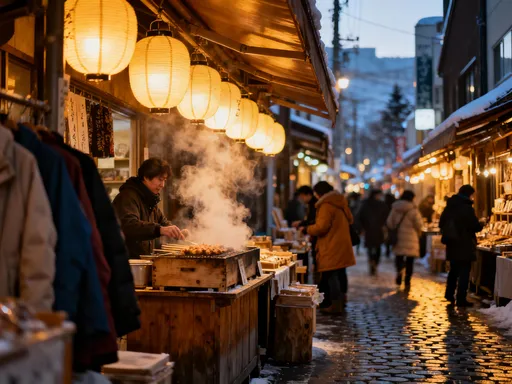
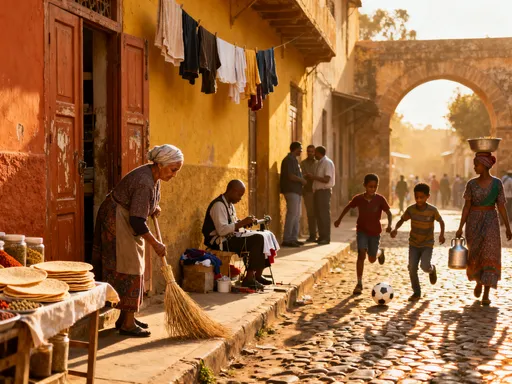
Some of the most authentic food experiences in Taupo happen not in restaurants, but in the open-air intimacy of local markets. Every Sunday, the Taupo Farmers’ Market comes alive in a community park near the lake. Stalls overflow with fresh produce—plump tomatoes, golden honeycomb, bundles of watercress from nearby streams. But this is more than a place to buy groceries. It is a living archive of culture, where recipes are shared as freely as samples.
I watched an elderly Māori woman, her hands moving with practiced ease, hand-roll dumplings filled with a mixture of minced beef, pikopiko, and a touch of horopito. She offered me one with a warm smile. “My mother taught me this,” she said. “Now I teach my granddaughter.” Nearby, a young man in his twenties sold infused honeys—manuka with tānekaha bark, known for its astringent properties, and kawakawa with lemon zest. He explained that his business began as a way to support his whānau (family) after a difficult year. Now, he works with local beekeepers and shares a portion of his profits with the marae.
What struck me most was the ease of conversation. There were no barriers between vendor and visitor. People lingered, asked questions, shared memories. A woman from Christchurch recalled eating kūmara cooked in an earth oven at a school camp. A man from Australia tasted rewena bread for the first time and marveled at its depth. These moments are not incidental. They are the quiet work of connection—slow, sincere, and deeply human. The market is not just a place to eat. It is a place to belong.
Other informal gatherings offer similar warmth. Community barbecues, school fundraisers, and cultural festivals often feature shared meals where hāngi, boil-ups (a stew-like dish with pork, potatoes, and vegetables), and boil-up variations with seafood are served. These events are rarely advertised in tourist brochures, but they are where culture lives—unscripted, unfiltered, and deeply welcoming. For the curious traveler, the best way to find them is to ask. Talk to the librarian. Chat with the café owner. Smile at the person beside you on the walking trail. In Taupo, hospitality is not a service. It is a habit.
Lakeside Eats: Scenery and Sustenance in Harmony
Dining by the shores of Lake Taupo is an experience that transcends taste. The lake, formed over 20,000 years ago by a massive volcanic eruption, is more than a backdrop. It is a living presence—calm one moment, stormy the next, always vast and humbling. Many lakeside eateries understand this. They do not compete with the view. They complement it.
At a small café in Five Mile Bay, I had one of the most memorable meals of my life: freshwater trout, caught that morning from the lake, smoked slowly over mānuka wood. The fish was served simply—on a wooden board with a lemon wedge and a dollop of horopito cream. The owner, a fisherman for over forty years, spoke quietly about the rhythms of the lake. “You don’t take more than you need,” he said. “The lake gives, but it also remembers.” His words stayed with me. In Māori worldview, the whenua (land) is not a resource to be exploited, but a ancestor to be respected. When you eat food from the lake, you are not just consuming a meal. You are acknowledging a relationship.
Even the simplest café meals feel layered with meaning. A bowl of creamy kūmara soup, a slice of rewena bread with manuka honey, a cup of kawakawa tea—each carries the echo of tradition. And the setting deepens the experience. Sitting by the water, watching the light shift on the surface, hearing the call of the tūī bird in the trees, you begin to understand that food here is part of a larger harmony. The mountains—Mount Tauhara, sacred in local legend—stand watch in the distance. The air is clean. The pace is slow. Time expands.
Several restaurants along the lakefront now emphasize sustainability and provenance. Menus list the names of local farms, the methods of fishing, even the stories of the people who grew the food. Some offer guided tastings that include Māori perspectives on land and nourishment. These are not just meals. They are invitations—to slow down, to notice, to give thanks. And in that space of gratitude, something shifts. You are no longer just a visitor. You are a guest, welcomed into a story much older than your own.
Planning Your Culinary Journey: Practical Tips for Respectful Exploration
Experiencing Taupo’s food culture begins with intention. If you want more than a meal, if you seek connection, start by looking beyond standard tourist guides. Local visitor centers often have brochures or staff who can direct you to iwi-hosted cultural dinners, hāngi events, or community markets. Many of these experiences require advance booking, not just for logistics, but as a sign of respect. Arriving unannounced at a marae, for example, is not appropriate. These are sacred spaces, not attractions.
When attending a cultural meal, follow the guidance of your hosts. Remove your shoes before entering a meeting house. Listen during karakia. Avoid taking photos during ceremonies unless permission is given. These small acts of respect open doors. They signal that you are not just passing through, but that you are willing to learn.
Be mindful of what you consume. Avoid “hāngi in a box” takeaway meals unless they are produced by Māori-owned businesses or clearly labeled as culturally authentic. Mass-produced versions often strip away the meaning, reducing a sacred practice to a commodity. Instead, seek out places that name their ingredients’ origins, credit traditional knowledge, and support local communities. Ask questions. “Where did this kūmara come from?” “Who taught you to make rewena?” These conversations matter.
Consider timing your visit to align with cultural events. Matariki, the Māori New Year (celebrated in June or July), is a time of feasting, storytelling, and gratitude. Many communities host public hāngi and performances. It is one of the best times to experience the living heart of Māori culture. Even outside festivals, a simple walk through town, a chat with a local, or a quiet moment by the lake can lead to unexpected invitations. In Taupo, generosity often arrives unannounced.
Why This Matters: Food as a Gateway to True Connection
In an age of fast travel and curated experiences, Taupo offers something rare: depth. Its food culture is not a performance. It is a practice—a daily act of remembering, sharing, and belonging. When you eat here, you are not just tasting flavors. You are tasting values: respect for the land, reverence for ancestors, and the enduring power of whanaungatanga.
This is not just tourism. It is transformation. The shift happens subtly—over a shared hāngi, during a quiet conversation at a market stall, in the moment you realize that the bread you’re eating was made using a recipe passed down for generations. You begin to see yourself not as an outsider, but as part of a larger circle. That sense of inclusion is not given lightly. It is earned through presence, humility, and a willingness to listen.
And in that listening, you gain more than memories. You gain understanding. You begin to see Aotearoa—not just as a destination, but as a living culture, resilient and generous, rooted in values that the modern world often forgets. Taupo’s food scene is not hidden because it is secret. It is hidden because it requires you to look beyond the surface, to slow down, to care.
So come to Taupo hungry—not just for food, but for connection. Come with curiosity. Come with respect. And leave not just with a full stomach, but with a fuller heart. Because in the end, the best meals are not the ones we eat. They are the ones that eat us—changing how we see, how we listen, and how we belong.