You Won’t Believe These Hidden Shopping Spots in Colombo
Colombo isn’t just about colonial buildings and busy streets—its real magic lies in the quiet alleys where local life thrives. I stumbled upon markets and boutiques far from the tourist trails, where craftsmanship meets authenticity. Think handwoven baskets, vintage saris, and ceramic studios run by families for generations. If you're looking for shopping that feels personal and real, Colombo’s offbeat corners deliver in the best way possible. These are not places marked by flashy signs or influencer check-ins, but rather humble spaces where tradition is woven into every product. For travelers seeking depth over decoration, these hidden spots offer a richer understanding of Sri Lankan culture—one carefully made item at a time.
Beyond the Tourist Map: Rethinking Colombo’s Shopping Scene
Colombo is often dismissed as a mere transit point en route to beaches or hill country, yet beneath its urban surface pulses a vibrant shopping culture rooted in history and human connection. While many visitors head straight to high-end malls like One Galle Face or souvenir kiosks near hotels, a quieter, more meaningful form of retail thrives beyond the obvious. These lesser-known shopping experiences shift the focus from consumption to curation, inviting travelers to engage with the stories behind the goods. It's no longer just about what you buy, but why and how it was made.
This evolution reflects a global trend toward slow travel and conscious consumerism. More travelers, especially women between the ages of 30 and 55, are seeking authenticity in their journeys—not just beautiful objects, but meaningful interactions. In Colombo, this translates into visits to family-run workshops, neighborhood markets, and artist collectives where the pace is unhurried and the atmosphere warm. These spaces allow for real conversations, whether learning how a sari is hand-dyed or hearing how a potter learned his craft from his grandfather. Such moments transform shopping from a transaction into a shared experience.
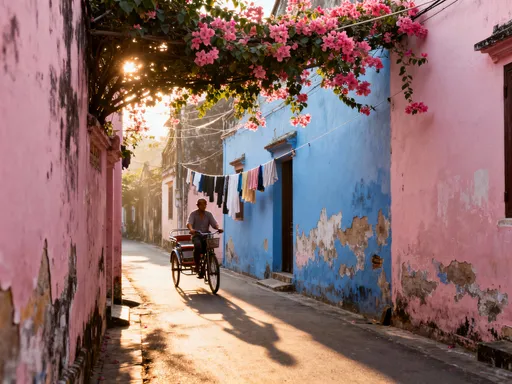
The city’s hidden retail gems also challenge the stereotype of Colombo as chaotic and overwhelming. Yes, the streets can be loud and crowded, but just a few steps down a side lane reveals a different rhythm—one governed by the clack of looms, the scent of dried spices, or the quiet concentration of an artisan at work. These environments offer a sense of calm and continuity, a reminder that tradition endures even in a rapidly modernizing city. For the thoughtful traveler, discovering these places becomes a journey into the soul of Colombo itself.
Pettah’s Hidden Lanes: Where Commerce Comes Alive
Pettah Market is one of Colombo’s most famous destinations, known for its bustling energy and endless rows of goods. But beyond the main thoroughfares, where tour groups cluster and taxi drivers wait impatiently, lie quieter alleys that tell a deeper story. These narrow lanes—such as the fabric-draped corridors off Main Street or the tucked-away spice bazaars near the Old Clock Tower—are where local commerce truly breathes. Here, shopfronts are modest, often little more than wooden counters or cloth-covered stalls, yet they hold treasures passed down through decades of trade.
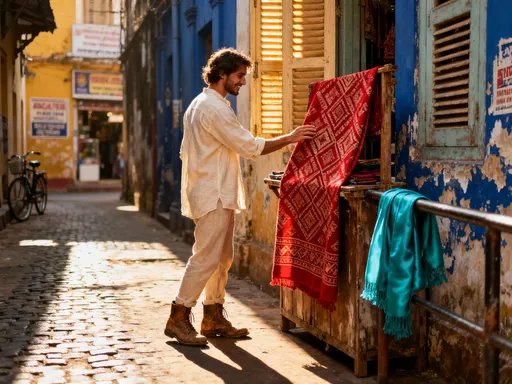
One might find bolts of hand-dyed cotton in earthy ochres and indigos, stacked neatly beside vintage brass scales and antique button collections imported from India in the 1960s. These items are not curated for tourists; they are part of daily life, used by tailors, homemakers, and small business owners across the city. The vendors, many of whom have worked in the same spot for generations, speak with pride about the provenance of their goods. A shopkeeper selling hand-rolled cinnamon sticks might explain the difference between Kandy-grown and Matara-harvested varieties, or a fabric seller may demonstrate how certain weaves are reserved for ceremonial occasions.
Navigating these lanes requires more than a map—it demands curiosity and openness. There are no signs in English, few price tags, and little in the way of digital payment options. But this is precisely what makes the experience so rewarding. Bargaining is expected, but it is not aggressive; it is a ritual of mutual respect, a conversation that unfolds over minutes. A smile, a cup of tea offered from a roadside vendor, or a shared laugh over a language mix-up can turn a simple purchase into a memory. For the discerning shopper, Pettah’s hidden corners offer not just unique finds, but a living lesson in Sri Lanka’s mercantile heritage.
Sarath Dissanayake’s Handloom Corner: A Weaving Legacy Off the Radar
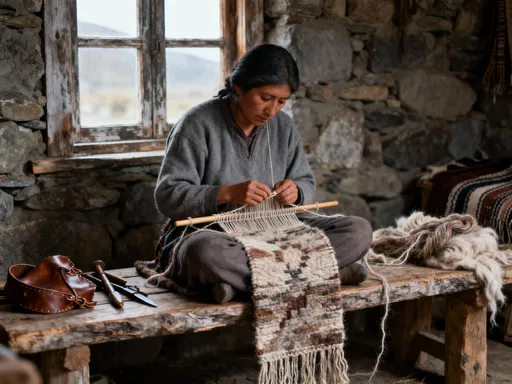
Tucked behind a quiet residential lane in Kollupitiya, away from the honking traffic and shopping malls, lies a modest workshop that preserves one of Sri Lanka’s oldest textile traditions. Run by Sarath Dissanayake, a third-generation weaver, this unassuming space functions as both studio and gallery, where cotton threads are transformed into intricate linens, sarongs, and ceremonial fabrics using handlooms passed down from his grandfather. There are no advertisements, no website, and no social media presence—yet those who find it often leave with more than just fabric; they carry a story.
Visitors are welcome to step inside and watch the rhythmic motion of the loom, the shuttle flying back and forth as Sarath works with focused precision. The air carries the faint scent of natural dyes—turmeric, indigo, and madder root—used to color the threads without harsh chemicals. Each piece takes days, sometimes weeks, to complete, depending on the complexity of the pattern. Unlike mass-produced textiles, these fabrics bear subtle variations—slight shifts in weave or hue—that speak to their handmade origin.
What makes this experience truly special is the direct connection between maker and buyer. There are no middlemen, no retail markups. When you purchase a scarf or table runner here, you are supporting not just a craft, but a family’s livelihood. Sarath reinvests his earnings into training young apprentices from nearby villages, ensuring the tradition survives. For many women travelers, particularly those interested in sustainable fashion and ethical consumption, this model resonates deeply. It aligns with values of fairness, environmental care, and cultural preservation—principles that are increasingly important in modern travel.
The Ceramic Lane in Ratmalana: Muddy Hands, Timeless Designs
A short tuk-tuk ride south of Colombo’s city center leads to Ratmalana, a neighborhood known more for its airport than its artistry. Yet tucked within its residential streets is a cluster of family-run pottery studios, collectively referred to by locals as Ceramic Lane. These unmarked workshops, often housed in open-air sheds or converted garages, have been shaping clay for generations. The potters here create everything from everyday kitchenware to elaborate temple offerings, each piece formed entirely by hand using techniques unchanged for decades.
What sets these ceramics apart is their imperfection—the slight wobble of a bowl’s rim, the uneven glaze that catches light in unexpected ways. These are not flaws, but signatures of human touch. Unlike factory-made tableware, which prioritizes uniformity, these pieces celebrate individuality. A coffee cup may feel slightly heavier in the hand, its base marked with the potter’s thumbprint. A serving platter might bear faint brushstrokes from the artisan’s final glaze application. These details make each item unique, a quiet rebellion against the impersonal nature of modern manufacturing.
Several potters welcome visitors to try their hand at the wheel, offering a rare opportunity to experience the craft firsthand. Under patient guidance, even beginners can shape a small bowl or pinch pot, feeling the cool, wet clay respond to pressure and motion. It’s a meditative act, one that fosters appreciation for the skill required to do this work daily. For mothers and grandmothers traveling with family, this hands-on experience can be especially meaningful—a way to teach children about tradition, patience, and creativity.
Buying ceramics here means more than acquiring souvenirs; it means preserving a way of life. Many of these artisans struggle to compete with cheaper, imported goods, and tourism offers a vital source of income. When travelers choose to purchase directly from the potter, they help sustain a lineage of craftsmanship that might otherwise fade. The pieces, when brought home, become more than decorative objects—they are vessels of memory, carrying the spirit of Ratmalana’s quiet resilience.
Old Dutch Hospital’s Quiet Neighbors: Boutique Craft Shops
The Dutch Hospital Shopping Precinct is one of Colombo’s most photographed destinations, drawing crowds with its colonial architecture and curated boutiques. Yet just beyond its polished courtyards, in the surrounding lanes of Fort, lie smaller, lesser-known shops that offer a different kind of retail experience. These boutique craft stores operate under the radar, often with no signage or minimal storefronts, yet they house some of the city’s most thoughtful designs.
One might discover a tiny shop specializing in restored vintage jewelry, where tarnished silver necklaces are cleaned and reset with ethically sourced gemstones. Another features upcycled paper goods—notebooks bound in reclaimed sari fabric, or greeting cards made from recycled lotus stems. A third showcases batik art created in collaboration with women’s cooperatives in rural Anuradhapura, where each piece supports economic empowerment and skill development.
What unites these shops is their commitment to ethical production and aesthetic simplicity. Displays are minimal—wooden shelves, soft lighting, handwritten labels—creating a serene atmosphere that contrasts sharply with the city’s usual sensory overload. There is no pressure to buy; instead, shopkeepers invite conversation, eager to explain the origins of their products and the people behind them. This transparency builds trust and deepens the shopping experience, making it feel less like commerce and more like connection.
For the discerning traveler, these boutiques offer a chance to bring home something truly special—objects that are beautiful, yes, but also purposeful. Each purchase supports fair wages, environmental sustainability, and cultural preservation. In a world where mass production dominates, these small shops stand as quiet acts of resistance, proving that commerce can be both elegant and ethical.
Weekend Pop-Ups at Barefoot Garden: Creativity Without Borders
Nestled in a leafy corner of Colombo, the Barefoot compound is more than a textile studio—it’s a cultural hub. Known for its hand-printed fabrics and commitment to traditional crafts, Barefoot occasionally transforms its garden into a weekend marketplace, hosting pop-up events that bring together independent designers, artisans, and curious travelers. These gatherings are not large-scale fairs, but intimate affairs, often held under canvas tents or beneath shaded trees, where creativity flows as freely as the fresh coconut water served on bamboo trays.
The vendors here represent a new generation of Sri Lankan makers—designers experimenting with natural indigo dyes, lamp makers crafting luminaries from coconut shells, illustrators selling hand-printed notebooks featuring local birds and flora. What makes these pop-ups special is their spirit of inclusivity. Young mothers, retirees, expatriates, and local artists mingle easily, drawn together by a shared appreciation for handmade quality. There is music—sometimes a lone guitarist, sometimes a small string ensemble—but it never overwhelms. The focus remains on the crafts, the conversations, and the sense of community.
For visitors, these events offer a dynamic alternative to static shopping. New vendors appear each month, ensuring that repeat visits yield fresh discoveries. A scarf purchased one weekend might be followed by a set of hand-thrown coasters the next. The temporary nature of the market adds to its charm—it feels fleeting, special, like stumbling upon a secret. Yet it is also deeply rooted in Barefoot’s decades-long mission to support local artisanship and sustainable design.
Shopping at these pop-ups feels participatory. You’re not just buying an object; you’re engaging with a movement—one that values creativity, sustainability, and human connection. For women who see travel as an extension of their values—care, intention, beauty with purpose—these events resonate on a personal level. They are a reminder that even in a city, there are pockets of calm, creativity, and kindness.
How to Shop Mindfully in Colombo’s Hidden Corners
Exploring Colombo’s offbeat shopping spots is a rewarding experience, but it comes with responsibilities. These are not commercial zones designed for mass tourism; they are working neighborhoods, family businesses, and cultural spaces that thrive on respect. To shop mindfully means approaching each interaction with humility and awareness. Carrying small denominations of Sri Lankan rupees is essential, as many vendors do not accept cards or may lack reliable internet for digital payments.
Photography should be approached with care. While it’s natural to want to capture the beauty of a handwoven sari or a potter at work, always ask permission before taking someone’s picture. A simple smile and gesture can go a long way. If the answer is no, accept it gracefully. Remember, these artisans are not performers; they are people doing their work, often in physically demanding conditions.
Bargaining, while common in markets like Pettah, should be done with fairness in mind. Many of these sellers operate on thin margins, and aggressive haggling can undermine their livelihoods. A reasonable offer, made politely, is more likely to be accepted—and more likely to lead to a positive exchange. When in doubt, let the vendor name the price first, and consider it a reflection of the time, skill, and materials involved.
Finally, choose quality over quantity. Instead of filling a suitcase with trinkets, consider investing in one or two meaningful pieces—perhaps a hand-loomed scarf, a ceramic bowl, or a batik wall hanging. These items, when brought home, become more than decorations; they are conversation starters, memory keepers, and quiet affirmations of a journey well traveled. By shopping with intention, travelers do more than support local economies—they become stewards of culture, helping to keep traditions alive for future generations.
Colombo’s most memorable shopping doesn’t happen in glossy malls—it unfolds in humble workshops, tucked-away lanes, and open-air pop-ups where culture is made, not sold. These spaces invite travelers to slow down, engage deeply, and take home more than souvenirs: they offer connection. By seeking out these quiet corners, we don’t just shop—we participate in a living tradition. And in doing so, we honor not only the artisans but the enduring spirit of a city that reveals its truest self to those willing to look beyond the surface.